Wanlin Group · WanlinSBC · Android Advertising Display Board OEM/ODM Evaluation Guide
Android Advertising Display Board OEM/ODM Evaluation Guide
Evaluate an Android advertising display board using explicit display, media, network, software, enclosure, compliance and sample-test requirements.
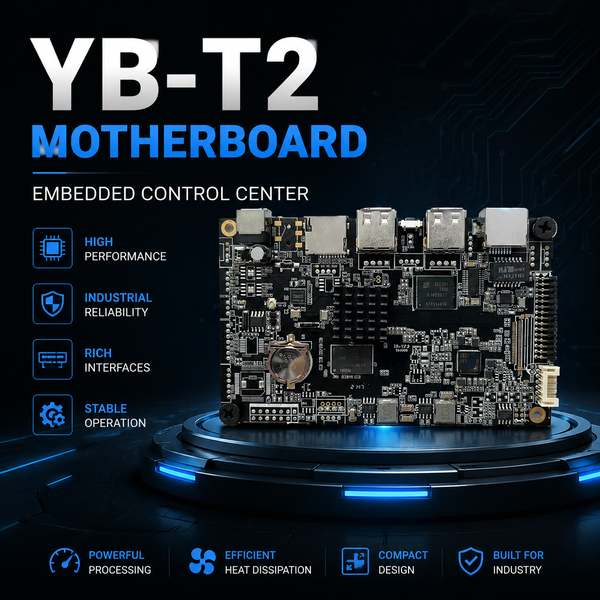
Android Advertising Display Board OEM/ODM Evaluation Guide
Content updated:
Configuration: Review the technical details below and specify the required hardware and software revision.
Availability: Request confirmation for the selected configuration.
Details
What is an Android advertising display board project?
An Android advertising display board project combines a processor platform with the exact display, media workload, network connection, peripherals, software, enclosure and operating environment required by the finished product. A generic “Android board” description is not enough for approval. The selected model and PCB revision must be tested with the intended screen and content system.
Which applications may use this type of board?
- retail and hospitality information displays;
- menu boards, wayfinding and public-information terminals;
- elevator, building and transport displays;
- interactive advertising and self-service screens;
- networked media players and scheduled content terminals.
What information is needed before selection?
Provide the panel model, display interface, resolution, orientation and brightness; video and image formats; touch or camera requirements; audio, USB and serial peripherals; Ethernet, Wi-Fi or cellular network requirements; CMS or application; power input; enclosure; operating environment; lifecycle and expected quantity.
How should display and media performance be verified?
Confirm panel timing, connector pinout, voltage, backlight control and rotation. Test the actual content playlist at the required resolution, bitrate and duration. Multi-display or independent-content behavior must be demonstrated on the exact software build. Codec capability printed for a processor does not guarantee application-level performance.
What software scope should be documented?
Record the Android baseline, BSP build, display configuration, launcher or kiosk policy, CMS/player application, scheduled start and shutdown, update method, remote-management scope and recovery image. Third-party CMS compatibility must be tested with its current application and account configuration.
What should a sample acceptance test include?
- Display, touch, audio and all required peripherals.
- Representative content playback for an agreed endurance period.
- Network interruption, content resynchronization and offline behavior.
- Scheduled power, restart, watchdog and recovery.
- Storage use, application stability, power and thermal measurements.
- Verification of PCB revision, software build and test configuration.
How should compliance claims be checked?
Request evidence for the exact board or finished device. Match the applicant, model, PCB revision, radio module, power supply, enclosure, standard, issue date and destination market. A CE, FCC, RoHS or other logo on a general page is not proof for every configuration.
Which documents should a buyer request?
- current specification, mechanical drawing and connector definition;
- panel and peripheral compatibility records;
- OS/BSP build identifier and recovery image;
- content workload and sample acceptance plan;
- applicable model-specific reports or certificates;
- written configuration, MOQ, lead time, warranty and change-control terms.
What is the verification boundary?
This page is an engineering evaluation guide, not a promise that every Android display board has the same interfaces, performance, certification, price or delivery terms. Final commitments must be tied to an approved model, revision, sample and controlled documents.
Review manufacturing quality checkpoints, check published documents, read the engineering review policy, or send your display requirements.
Publishing and verification
Published by Wanlin Group under the WanlinSBC identity. Product capabilities must be confirmed against the exact model, PCB revision, software build and current controlled document before procurement or integration.
Availability, certification scope, pricing, lead time and lifecycle commitments depend on the selected configuration and written project agreement.
Previous: No previous product
Next: Android Advertising Display Board Wholesale Export | Qatar Distributor Wanted
